THE CAT PROTECTION SOCIETY OF NSW ADOPTION CENTRE
The Cat Protection Society of NSW is a non-profit organisation that has been dedicated to protecting and improving the welfare of cats since 1958. With a focus on promoting responsible pet ownership and providing care and shelter for cats in need, society has become a beacon of hope for feline lovers across the state.
The Cat Protection Society Of NSW Adoption Centre
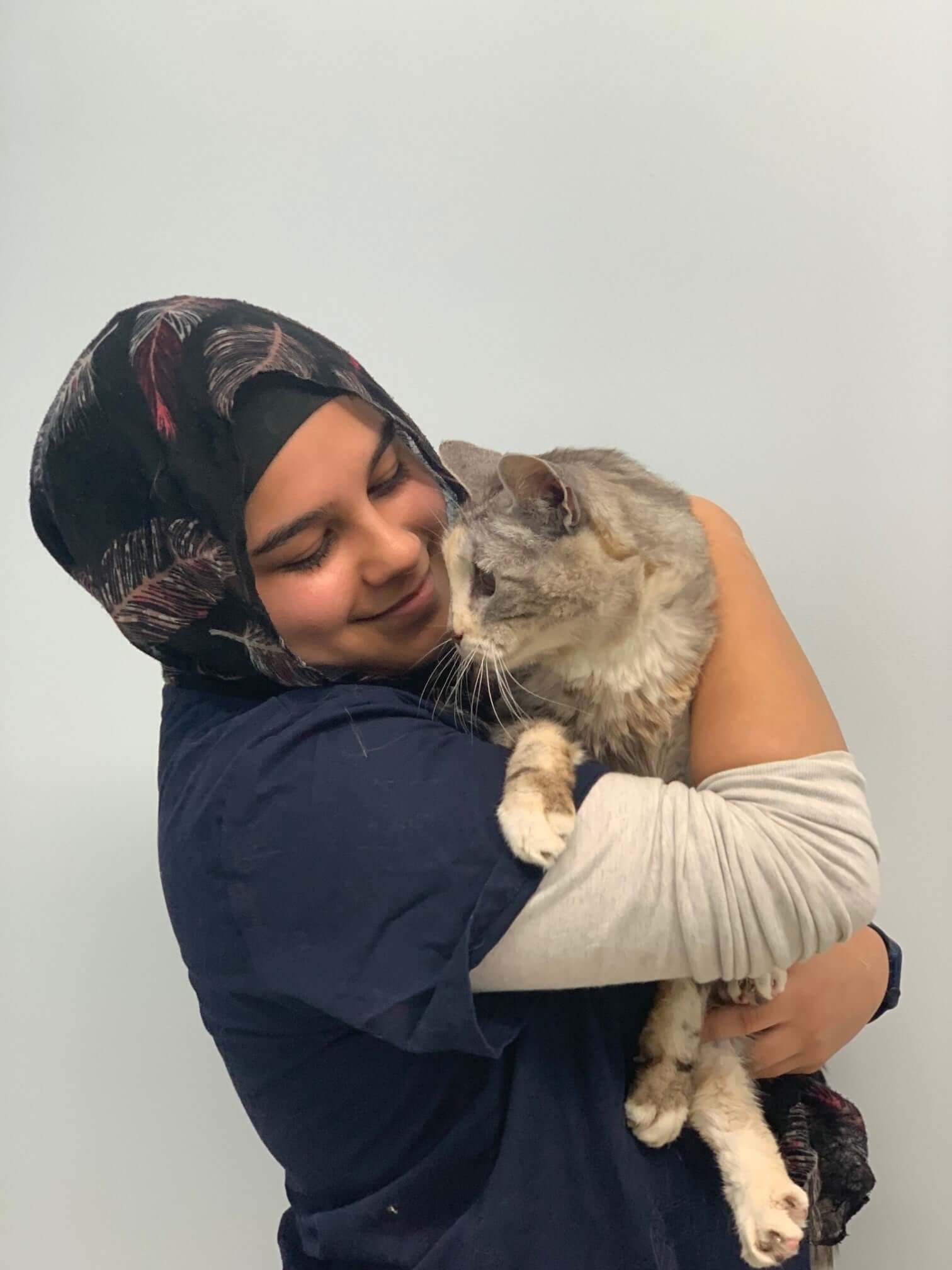
A Sanctuary for Our Feline Companions: The Adoption Centre of the Cat Protection Society at Concord Veterinary Hospital, Sydney
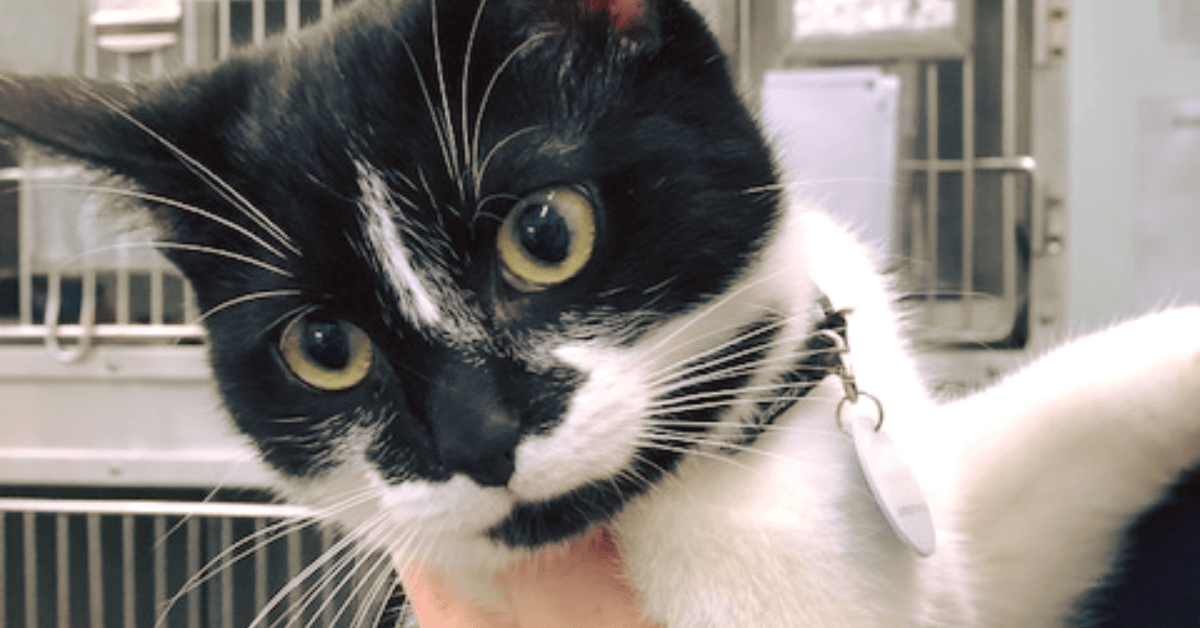
Nestled in the heart of Sydney, the Cat Protection Society of NSW Adoption Centre at Concord Veterinary Hospital stands as a sanctuary of compassion and hope for cats in need. More than just an adoption centre, it serves as a refuge where abandoned and stray cats are given a second chance at finding a loving home. In this blog post, we’ll explore the heartwarming efforts of the Cat Protection Society and its collaboration with Concord Veterinary Hospital in Sydney, New South Wales.
History and Mission
Founded with a noble cause, the Cat Protection Society of NSW has been dedicated to feline welfare since its establishment in 1958. The society is committed to providing a safe haven for cats facing abandonment, homelessness, or mistreatment. Their mission revolves around the rescue, rehabilitation, and rehoming of cats, while also promoting responsible pet ownership.
The Adoption Centre at Concord Veterinary Hospital
The collaboration between the Cat Protection Society and Concord Veterinary Hospital has resulted in a unique and invaluable Adoption Centre. This facility not only offers a comfortable space for the feline residents but also provides potential adopters with a welcoming environment to connect with their future furry companions.

Concord Veterinary Hospital, renowned for its commitment to animal welfare, plays a pivotal role in supporting the adoption centre. With state-of-the-art facilities and a team of compassionate veterinary professionals, Concord Veterinary Hospital ensures that the cats at the adoption centre receive the best possible care.
Rescue and Rehabilitation
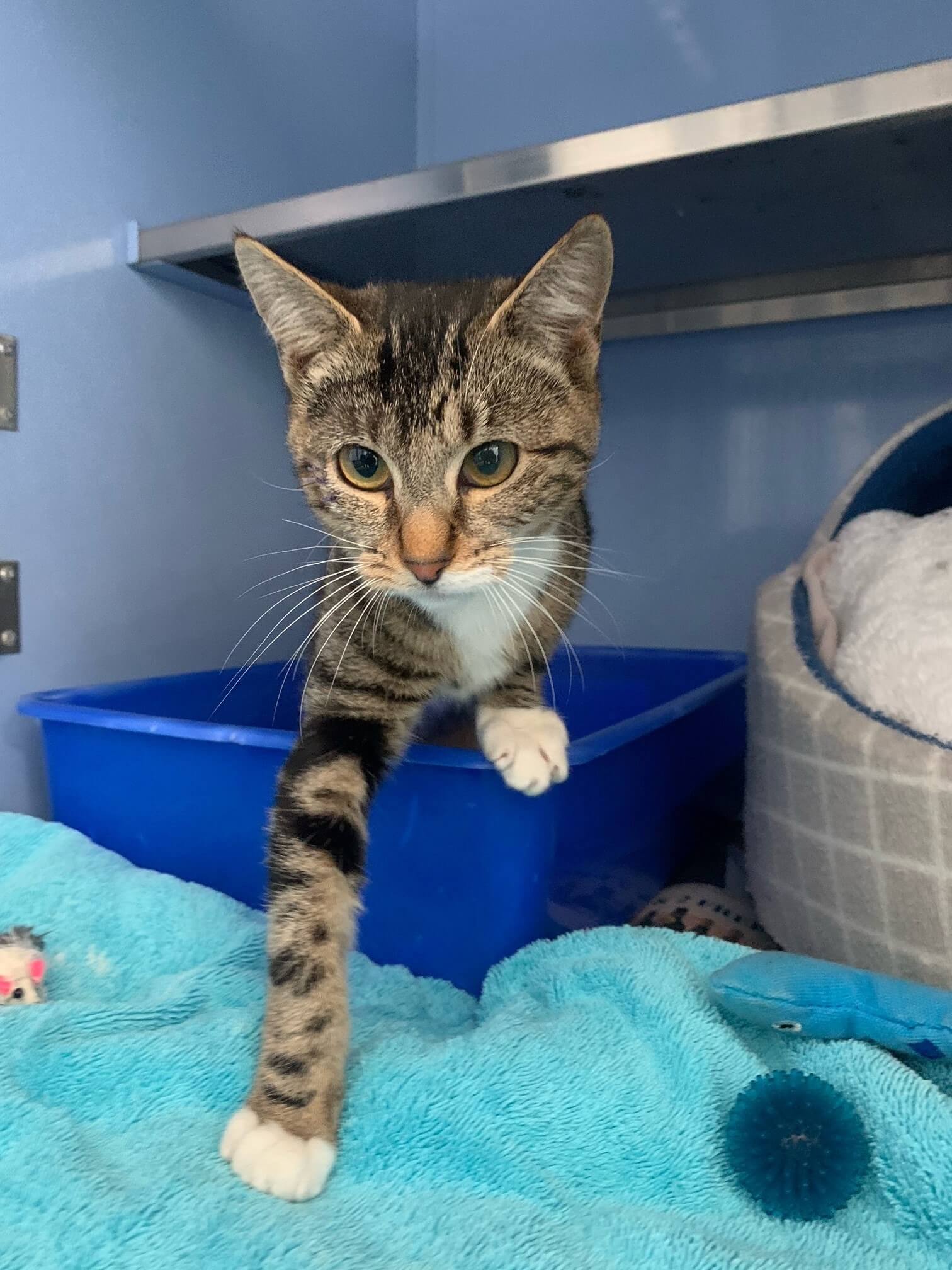
The Cat Protection Society’s Adoption Centre at Concord Veterinary Hospital serves as a refuge for cats rescued from various challenging situations. Whether abandoned on the streets or surrendered by owners unable to care for them, these felines find solace within the centre’s walls.
The rehabilitation process is comprehensive, addressing both the physical and emotional well-being of the cats. Veterinary professionals at Concord Veterinary Hospital work closely with the Cat Protection Society’s dedicated staff to provide medical care, vaccinations, and spaying/neutering services. Moreover, behavioural experts focus on socialising the cats, ensuring they are ready to embrace a loving home.
Adoption Process
Adopting a cat from the Cat Protection Society’s Adoption Centre at Concord Veterinary Hospital is a thoughtful and rewarding experience. Prospective adopters are welcomed into a warm and inviting space where they can spend time getting to know the cats. Adoption counsellors, trained to match cats with suitable families, are on hand to guide and assist throughout the process.
One unique aspect of this adoption centre is its emphasis on education. Adopters receive valuable information on cat care, behaviour, and the responsibilities of pet ownership. This ensures that each cat finds a forever home with individuals or families who are fully prepared to meet their needs.
Community Engagement
Beyond its role as an adoption centre, the facility at Concord Veterinary Hospital actively engages with the local community. Regular events, workshops, and outreach programs are organised to raise awareness about responsible pet ownership, the importance of spaying/neutering, and the work of the Cat Protection Society. These initiatives not only benefit the cats but contribute to building a more compassionate and informed community.
In the bustling city of Sydney, the Cat Protection Society of NSW Adoption Centre at Concord Veterinary Hospital stands as a testament to the power of collaboration and compassion. This sanctuary for our feline friends not only rescues and rehabilitates cats but actively works towards creating a community that values and cares for its four-legged companions. The partnership between the Cat Protection Society and Concord Veterinary Hospital exemplifies how dedicated individuals and organisations can make a significant impact on the lives of animals in need. So, if you’re considering adding a furry friend to your family, look no further than the Adoption Centre in Concord – where love and purrs await. Read more about The Cat Protection Society Of NSW Adoption Centre.
Regular dog teeth cleaning is essential to maintain your pet’s dental health and overall well-being. By following the above tips, you can ensure that your dog’s teeth remain clean and healthy, reducing the risk of dental diseases and other health problems. Remember, a healthy mouth equals a healthy dog!
Concord Veterinary nurses take several steps to ensure a thorough and safe dental cleaning for dogs. Here’s a general overview of the process:
- Pre-anaesthetic evaluation: The veterinarian will examine your dog and perform blood tests to ensure that they are healthy enough to undergo anaesthesia. This step helps to identify any underlying health issues that could pose a risk during the procedure.
- Anaesthesia: To keep your dog comfortable and still during the dental cleaning, they will be given general anaesthesia. Anaesthesia also helps to protect the dog’s airway from water and debris.
- Monitoring: While your dog is under anaesthesia, their vital signs will be closely monitored. This includes heart rate, blood pressure, oxygen saturation, and temperature.
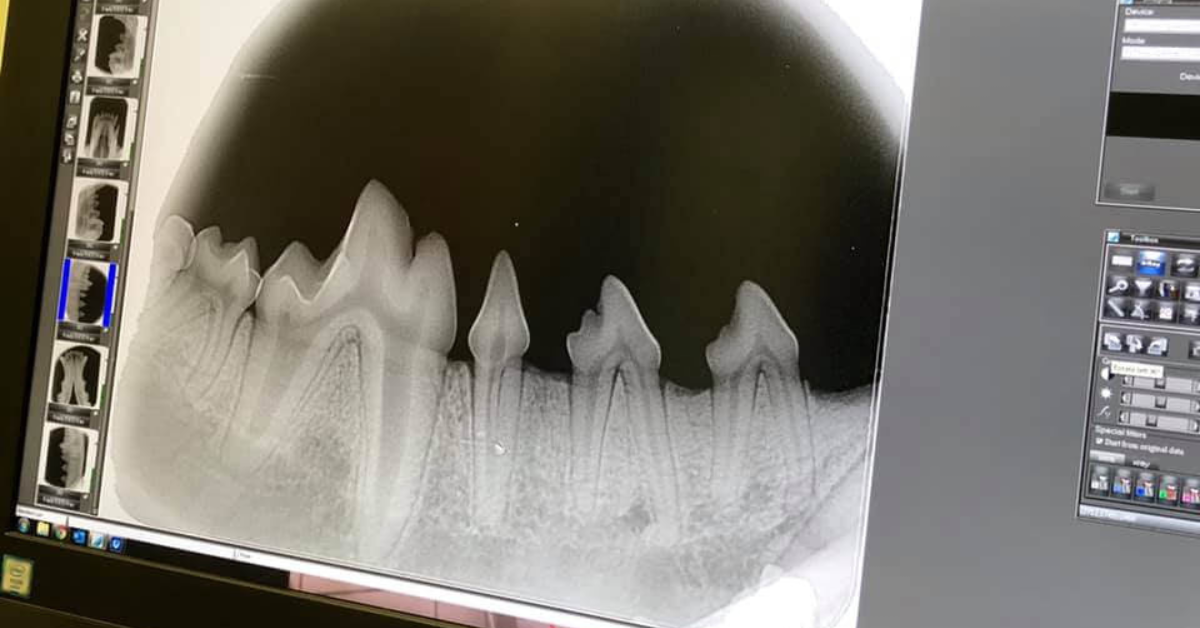
- Dental X-rays: Dental X-rays are often taken to evaluate the teeth and jawbone beneath the gum line. This helps the veterinarian identify any hidden issues like tooth root abscesses, fractures, or bone loss.
- Scaling: The veterinarian or veterinary nurse will use have extensive experienced instruments to remove plaque and tartar buildup from your dog’s teeth, both above and below the gum line. This process is called scaling.
- Probing and charting: The veterinarian will examine each tooth and the surrounding gum tissue for signs of disease, such as gingivitis, periodontitis, or tooth root abscesses. They will also check for loose, broken, or damaged teeth. All findings are documented in a dental chart.
- Polishing: After scaling, the teeth are polished to smooth out any rough surfaces created during the cleaning process. Polishing helps to prevent plaque and tartar from adhering to the tooth surface.
- Fluoride treatment: A fluoride treatment may be applied to your dog’s teeth to strengthen the enamel and help prevent future decay.
- Dental sealants: In some cases, dental sealants may be applied to the grooves and fissures of the teeth to prevent plaque and food particles from becoming trapped.
- Recovery: Once the dental cleaning is complete, your dog will be closely monitored as they recover from anaesthesia. The veterinarian will provide you with post-operative care instructions and may prescribe pain medication or antibiotics if necessary.
Regular dental cleanings are essential for your dog’s overall health. Be sure to consult with your veterinarian to determine the best dental care plan for your pet.
At Concord Veterinary Hospital, we understand the paramount importance of maintaining your beloved pet’s oral health and overall well-being. Our highly experienced team of veterinary professionals is dedicated to providing exceptional dental care and diagnostic imaging services tailored to each individual patient’s needs. In this article, we shall elucidate the range of dental and X-ray services offered at our esteemed facility.
Dental Services
Comprehensive Dental Examinations
Our proficient veterinarians conduct thorough dental assessments to detect any signs of oral disease or discomfort in your pet. This process includes examining the teeth, gums, and oral cavity for indications of plaque, tartar, gingivitis, periodontal disease, and other dental abnormalities. Early detection and treatment are essential for preventing further complications and ensuring your pet’s optimal health.
Dental Cleaning and Polishing
Professional dental cleanings, also known as dental prophylaxis, are integral for maintaining your pet’s oral hygiene. Our skilled veterinary staff utilise state-of-the-art equipment to meticulously remove plaque and tartar deposits from your pet’s teeth, both above and below the gum line. Following the cleaning, we polish the teeth to create a smooth surface, making it more challenging for plaque and bacteria to accumulate.
Tooth Extractions
In some cases, tooth extractions may be necessary due to severe dental issues such as advanced periodontal disease, tooth fractures, or infected teeth. Our compassionate veterinarians perform extractions with utmost care, employing appropriate pain management techniques to ensure your pet’s comfort throughout the procedure.
Dental Radiographs
Dental radiographs, or X-rays, are crucial for accurately diagnosing and treating oral health issues that may not be visible during a standard dental examination. These images provide a detailed view of your pet’s teeth, roots, and surrounding bone structure, allowing our veterinarians to detect and address any underlying dental problems.
X-ray Services
At Concord Veterinary Hospital, we are equipped with cutting-edge digital radiography technology to provide efficient, high-quality diagnostic imaging for your pet. X-ray services are essential for evaluating the health of your pet’s bones, organs, and internal systems, thus enabling our veterinarians to identify and treat various conditions such as fractures, tumours, and foreign bodies.
Regular dog teeth cleaning is essential to maintain your pet’s dental health and overall well-being. By following the above tips, you can ensure that your dog’s teeth remain clean and healthy, reducing the risk of dental diseases and other health problems. Remember, a healthy mouth equals a healthy dog!
Concord Veterinary nurses take several steps to ensure a thorough and safe dental cleaning for dogs. Here’s a general overview of the process:
- Pre-anaesthetic evaluation: The veterinarian will examine your dog and perform blood tests to ensure that they are healthy enough to undergo anaesthesia. This step helps to identify any underlying health issues that could pose a risk during the procedure.
- Anaesthesia: To keep your dog comfortable and still during the dental cleaning, they will be given general anaesthesia. Anaesthesia also helps to protect the dog’s airway from water and debris.
- Monitoring: While your dog is under anaesthesia, their vital signs will be closely monitored. This includes heart rate, blood pressure, oxygen saturation, and temperature.
- Dental X-rays: Dental X-rays are often taken to evaluate the teeth and jawbone beneath the gum line. This helps the veterinarian identify any hidden issues like tooth root abscesses, fractures, or bone loss.
- Scaling: The veterinarian or veterinary nurse will use have extensive experienced instruments to remove plaque and tartar buildup from your dog’s teeth, both above and below the gum line. This process is called scaling.
- Probing and charting: The veterinarian will examine each tooth and the surrounding gum tissue for signs of disease, such as gingivitis, periodontitis, or tooth root abscesses. They will also check for loose, broken, or damaged teeth. All findings are documented in a dental chart.
- Polishing: After scaling, the teeth are polished to smooth out any rough surfaces created during the cleaning process. Polishing helps to prevent plaque and tartar from adhering to the tooth surface.
- Fluoride treatment: A fluoride treatment may be applied to your dog’s teeth to strengthen the enamel and help prevent future decay.
- Dental sealants: In some cases, dental sealants may be applied to the grooves and fissures of the teeth to prevent plaque and food particles from becoming trapped.
- Recovery: Once the dental cleaning is complete, your dog will be closely monitored as they recover from anaesthesia. The veterinarian will provide you with post-operative care instructions and may prescribe pain medication or antibiotics if necessary.


OUR OTHER SERVICES
What We Can Offer
Explore Our Veterinary Care Services